
Protect Your Liver Before It’s Too Late
By Dr. K. P. R. Kishore
Consultant Gastroenterologist & Hepatologist
MedUnited, Amalapuram
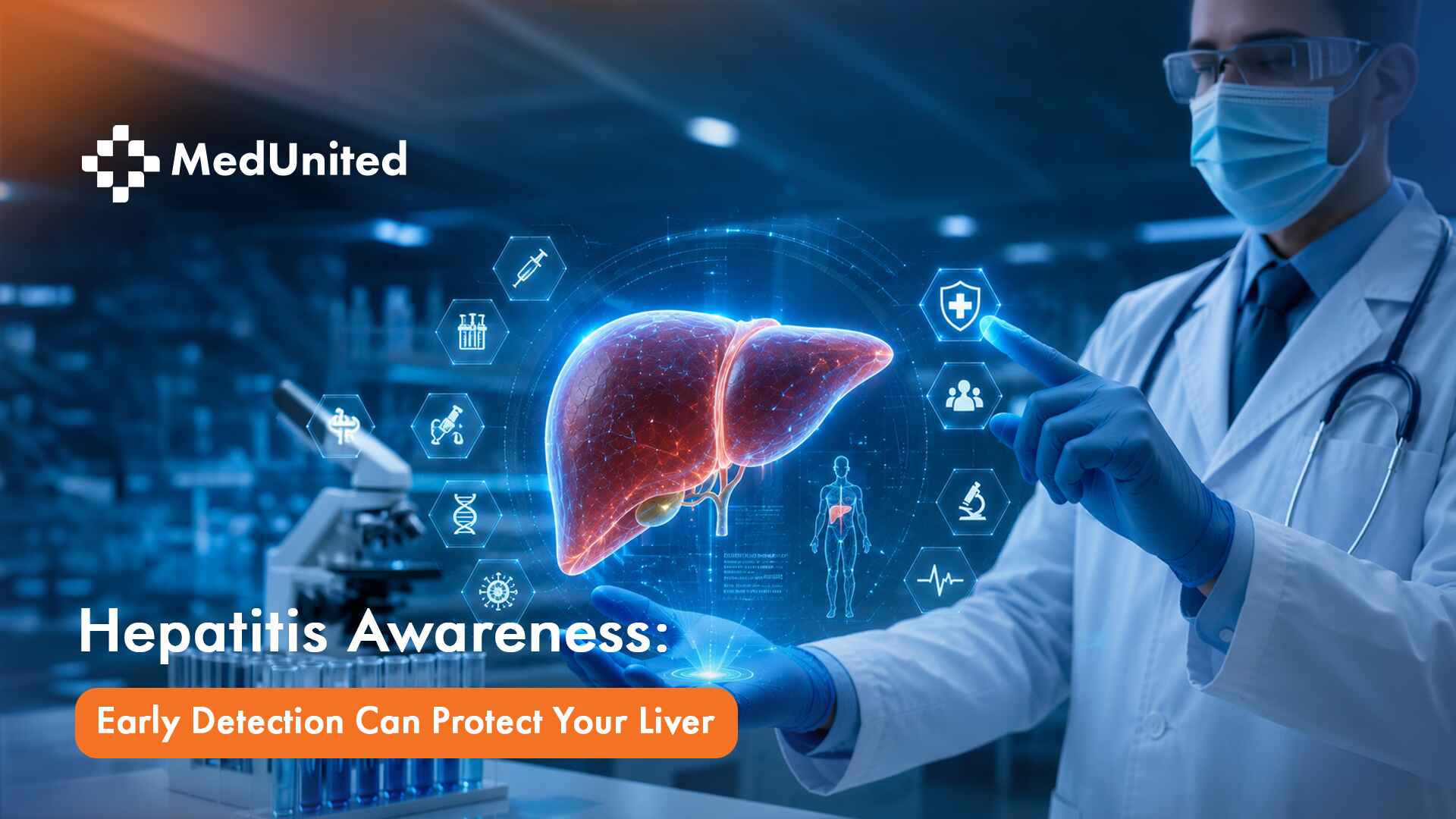
Hepatitis Awareness: Why Early Detection Can Save Your Liver
Your liver is one of the hardest-working organs in your body. It performs more than 500 essential functions every day-from filtering toxins and metabolizing nutrients to producing proteins and supporting your immune system. Yet, many liver diseases progress silently, often without noticeable symptoms until significant damage has already occurred.
One of the most common yet overlooked liver conditions is hepatitis, an inflammation of the liver that can range from a temporary illness to a chronic condition leading to liver cirrhosis, liver failure or even liver cancer if left untreated.
The encouraging news is that most forms of hepatitis can be prevented, diagnosed early and effectively managed with timely medical care.
At MedUnited Hospitals, we believe awareness and early diagnosis are the strongest tools in protecting your liver health.
What is Hepatitis?
Hepatitis simply means inflammation of the liver. It may be caused by:
- Viral infections (Hepatitis A, B, C, D and E)
- Excessive alcohol consumption
- Fatty liver disease
- Certain medications
- Autoimmune diseases
- Exposure to toxins
Among these, Hepatitis B and Hepatitis C are the most concerning because they can become chronic and silently damage the liver over many years.
Why is Hepatitis Called a “Silent Disease”?
Many patients experience no symptoms during the early stages.
Some people discover they have hepatitis only during routine blood tests or health check-ups.
When symptoms do appear, they may include:
- Persistent fatigue
- Loss of appetite
- Nausea or vomiting
- Fever
- Pain or discomfort in the upper right abdomen
- Dark-colored urine
- Yellowing of the eyes and skin (Jaundice)
- Pale stools
- Unexplained weight loss
Ignoring these symptoms may allow liver damage to progress unnoticed.
Types of Viral Hepatitis
Hepatitis A
Usually spreads through contaminated food or water.
- Generally causes an acute infection.
- Most people recover completely.
- Vaccination is available.
Hepatitis B
Spread through infected blood and body fluids.
Possible routes include:
- Mother to child during birth
- Unprotected sexual contact
- Sharing needles
- Unsafe medical procedures
Hepatitis B can become chronic and significantly increase the risk of liver cirrhosis and liver cancer.
Fortunately, an effective vaccine is available.
Hepatitis C
Spread mainly through infected blood.
Unlike Hepatitis B, there is currently no vaccine, but modern antiviral medicines can cure most patients when diagnosed early.
Hepatitis E
More common in areas with poor sanitation and contaminated drinking water.
Pregnant women are at a higher risk of severe complications.
Who is at Higher Risk?
You should consider hepatitis screening if you:
- Have diabetes
- Are overweight or obese
- Have fatty liver disease
- Consume alcohol regularly
- Have a family history of liver disease
- Received blood transfusions before routine screening became common
- Are a healthcare worker
- Have multiple sexual partners
- Use injectable drugs
- Have abnormal liver function tests
Even healthy individuals may benefit from periodic liver health evaluations.
Why Early Detection Matters
The liver has an extraordinary ability to repair itself-but only up to a certain point.
Early diagnosis allows doctors to:
- Prevent permanent liver damage
- Treat viral hepatitis before complications develop
- Monitor liver function regularly
- Prevent transmission to others
- Reduce the risk of liver cancer
Delaying treatment may lead to irreversible liver scarring (cirrhosis).
How is Hepatitis Diagnosed?
Diagnosis is usually straightforward and may include:
- Liver Function Tests (LFT)
- Hepatitis viral marker tests
- Ultrasound abdomen
- FibroScan (when indicated)
- CT Scan or MRI (for selected cases)
- Liver biopsy (only when necessary)
These investigations help determine both the cause and the extent of liver damage.
Can Hepatitis Be Treated?
Yes.
Treatment depends on the type of hepatitis.
Hepatitis A & E
Most patients recover with supportive treatment, hydration, nutrition and adequate rest.
Hepatitis B
Although chronic Hepatitis B cannot always be completely cured, effective medications can suppress the virus and significantly reduce liver damage.
Hepatitis C
Modern Direct-Acting Antiviral (DAA) therapy has transformed treatment, with cure rates exceeding 95% in many patients when managed appropriately.
Protecting Your Liver: Prevention Tips
Simple lifestyle measures can greatly reduce your risk.
- Get vaccinated against Hepatitis A and Hepatitis B.
- Practice safe hygiene and consume clean drinking water.
- Avoid sharing razors, needles or personal grooming items.
- Practice safe sex.
- Limit alcohol intake.
- Maintain a healthy weight.
- Exercise regularly.
- Control diabetes and cholesterol.
- Avoid unnecessary self-medication.
- Schedule regular health check-ups if you are at risk.
Hepatitis and Fatty Liver: An Important Connection
Many patients diagnosed with fatty liver mistakenly assume it is harmless.
However, fatty liver disease combined with viral hepatitis or uncontrolled diabetes can accelerate liver damage.
Managing obesity, diabetes, hypertension and high cholesterol plays a crucial role in preserving long-term liver health.
When Should You Consult a Gastroenterologist?
Seek medical advice if you experience:
- Persistent fatigue lasting several weeks
- Jaundice
- Recurrent abdominal discomfort
- Elevated liver enzymes
- Fatty liver on ultrasound
- Family history of liver disease
- Positive hepatitis screening tests
- Unexplained weight loss
- Chronic alcohol use
Early evaluation often prevents major complications.
Expert Advice from Dr. K. P. R. Kishore
“Hepatitis often progresses silently and by the time symptoms appear, significant liver damage may already have occurred. Regular health check-ups, timely hepatitis screening, vaccination where appropriate and early treatment can protect your liver and prevent lifelong complications. Your liver works tirelessly every day-take care of it before it’s too late.”
Why Choose MedUnited Hospitals for Liver Care?
At MedUnited Hospitals, we provide comprehensive evaluation and treatment for liver and digestive diseases through our dedicated Gastroenterology department.
Our services include:
- Hepatitis screening and management
- Fatty liver evaluation
- Advanced liver diagnostics
- Endoscopy and colonoscopy
- FibroScan (where indicated)
- Comprehensive Gastroenterology consultations
- Personalized treatment plans
- Long-term liver disease monitoring
Whether you are seeking liver care in Palakollu, gastro care in Palakollu, looking for the best gastroenterologist in Amalapuram or need access to the best gastro services in Amalapuram, our experienced team is committed to delivering evidence-based, compassionate care.
Conclusion
Hepatitis is preventable, treatable and in many cases manageable when diagnosed early. Unfortunately, because it often develops without obvious symptoms, many individuals seek medical attention only after significant liver damage has occurred.
Routine health screening, vaccination, healthy lifestyle choices and timely consultation with a gastroenterologist can make a significant difference.
If you have risk factors, abnormal liver tests or persistent digestive symptoms, don’t delay. Early diagnosis today can protect your liver for years to come.