

Lung Cancer: Early Signs You Should Never Ignore
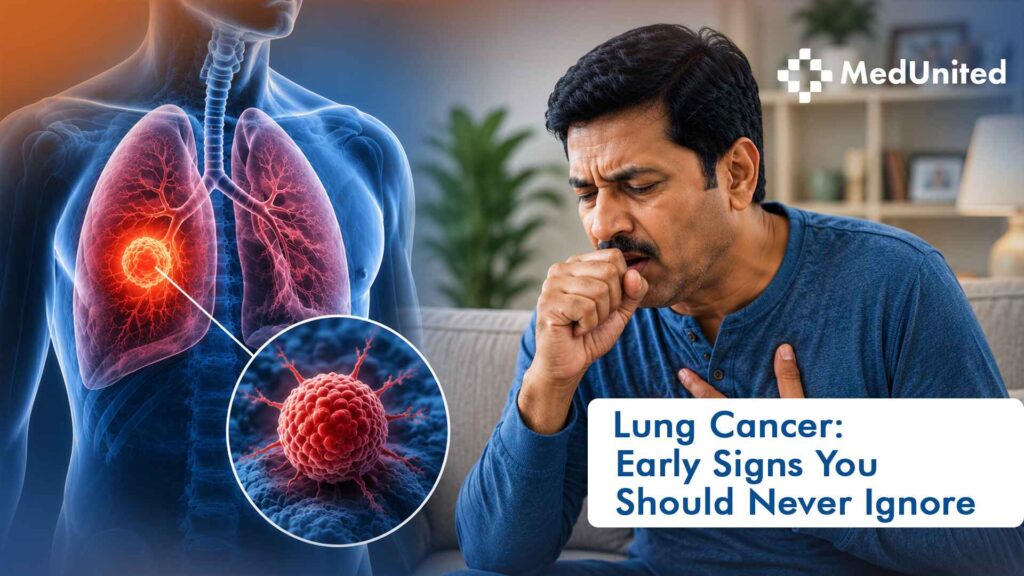
Early Detection Can Save Lives By Dr. Shyamala Pragnya Consultant Pulmonologist MedUnited Hospitals, Palakollu Every day in my OPD, I meet patients who tell me, “Doctor, I thought it was just a cough.” Others say they ignored breathlessness because they believed it was due to age, weather changes, or a smoking habit they had lived with for years. Unfortunately, these seemingly “small” symptoms sometimes turn out to be signs of a much more serious condition-lung cancer. The encouraging news is that lung cancer is no longer a disease that always has to be diagnosed in its advanced stages. With increased awareness, timely screening, and early medical evaluation, we now have better opportunities to diagnose and treat it earlier than ever before. As a Pulmonologist at MedUnited Hospitals, Palakollu, I believe that awareness is the first step towards saving lives. Lung Cancer Can Affect Anyone One of the biggest misconceptions I encounter is that lung cancer only affects smokers. While smoking remains the leading cause of lung cancer, it is certainly not the only cause. I have treated patients who have never smoked a single cigarette in their lives but developed lung cancer due to other risk factors. This is why every individual-not just smokers-should be aware of the warning signs. Who Is More Likely to Develop Lung Cancer? Certain individuals have a higher risk and should be particularly vigilant about their lung health. These include: Long-term exposure to air pollution and occupational hazards can also contribute to lung damage over time. Symptoms You Should Never Ignore Our lungs usually give us warning signs before serious disease develops. Unfortunately, many people dismiss these symptoms until they become severe. If you experience any of the following, I strongly recommend consulting a Pulmonologist without delay. Persistent Cough A cough lasting more than three weeks should never be ignored. Many people repeatedly take cough syrups or antibiotics without understanding the underlying cause. A persistent cough deserves proper evaluation. Coughing Up Blood Even a small amount of blood in the sputum requires immediate medical attention. Do not assume it is due to throat irritation. Breathlessness If you feel unusually short of breath while climbing stairs or doing routine daily activities, your lungs may be trying to tell you something. Chest Pain Persistent chest pain-especially while coughing or taking deep breaths-should always be investigated. Unexplained Weight Loss Losing weight without dieting or increased exercise is often one of the earliest warning signs of several serious illnesses, including lung cancer. Loss of Appetite A sudden decrease in appetite combined with fatigue or respiratory symptoms should not be ignored. Constant Fatigue Many patients tell me they feel exhausted even after adequate rest. Persistent fatigue is another symptom that deserves medical evaluation. Voice Changes Hoarseness or a change in voice lasting more than two weeks may indicate irritation or involvement of structures around the lungs and throat. Repeated Chest Infections If you frequently develop pneumonia or bronchitis, especially in the same part of the lung, further evaluation is essential. Early Detection Changes Everything One question patients frequently ask me is: “Doctor, can lung cancer be cured?” My answer is always the same. When detected early, lung cancer is far more treatable. Early diagnosis provides more treatment options, including surgery, targeted therapies, immunotherapy, and radiation treatment depending on the stage and type of cancer. The earlier we identify the disease, the better the chances of successful treatment and improved quality of life. How Do We Diagnose Lung Cancer? When someone presents with persistent symptoms or belongs to a high-risk group, we may recommend investigations such as: Among these, CT Scan has become an invaluable tool in detecting small lung abnormalities long before they become symptomatic. Can Lung Cancer Be Prevented? Although not every case can be prevented, we can significantly reduce our risk through healthy choices. I advise my patients to: Small lifestyle changes today can protect your lungs for years to come. Common Myths I Hear in My Clinic “I don’t smoke, so I can’t get lung cancer.” Unfortunately, this is not true. Many non-smokers develop lung cancer due to environmental exposure, occupational hazards, genetics, and passive smoking. “It’s just a cough.” Sometimes it is. But when a cough persists beyond three weeks, it deserves medical evaluation. Never self-diagnose. “If I don’t have chest pain, my lungs are fine.” Early lung cancer often causes no pain at all. Waiting for severe symptoms may delay diagnosis. “I quit smoking years ago, so I don’t need to worry.” Quitting smoking greatly reduces your risk, but former smokers should still remain aware of symptoms and discuss screening with their doctor when appropriate. When Should You Visit a Pulmonologist? Please consult a lung specialist if you have: These symptoms do not always mean cancer-but they should always be evaluated. My Message to Every Family As doctors, we often say: “Don’t wait for symptoms to become severe before seeking help.” That advice is especially true for lung health. Whether you are a smoker, an ex-smoker, someone exposed to occupational dust, or even someone who has never smoked, your lungs deserve attention. Ignoring symptoms can delay diagnosis. Seeking medical advice early can save lives. If you or someone in your family has persistent respiratory symptoms, please don’t postpone your consultation. At MedUnited Hospitals, Palakollu, our Pulmonology team is committed to helping patients through early diagnosis, advanced investigations, evidence-based treatment, and compassionate care. Remember- Early detection doesn’t just improve treatment. It saves lives.
Why MedPass is the Ideal Healthcare Membership for Every Family

One Membership. Year-Round Healthcare. By a Specialist at MedUnited Hospitals As doctors, one concern we hear from families every day is not just “How do we recover from illness?” but “How do we avoid unexpected medical expenses while staying healthy throughout the year?” Healthcare should not begin only when someone falls sick. It should focus on prevention, early diagnosis, timely consultation and continuous care. Unfortunately, many families postpone doctor visits or routine health check-ups because of cost concerns, often allowing minor health issues to become serious medical conditions. This is exactly why we introduced MedPass-a healthcare membership designed to make quality medical care affordable, accessible and available to every family throughout the year. Healthcare Isn’t Just for Emergencies Most families require healthcare services several times a year-not only during emergencies. Children may need consultations for seasonal illnesses. Parents often require regular monitoring for diabetes, thyroid disorders, blood pressure, or cholesterol. Senior citizens may need specialist consultations, investigations and follow-up care. Unexpected illnesses or injuries can happen at any time. Without a structured healthcare plan, these repeated visits can become financially stressful. MedPass helps reduce that burden by encouraging families to seek medical attention early instead of delaying treatment. Why Preventive Healthcare Matters Many serious health conditions develop silently. High blood pressure often has no symptoms. Diabetes may remain unnoticed for years. Kidney disease and fatty liver can progress without warning signs. Hormonal disorders, including thyroid problems, frequently go undiagnosed until complications arise. When detected early, many of these conditions can be effectively managed through lifestyle changes, medication and regular monitoring. This is where preventive healthcare plays a crucial role-and MedPass encourages exactly that. One Membership. Healthcare for the Whole Family. One of the biggest advantages of MedPass is that it is designed for the entire family. Instead of worrying about consultation charges every time a family member feels unwell, MedPass provides year-round access to healthcare benefits that make routine consultations, follow-ups, investigations and preventive care more convenient and affordable. This means families are more likely to seek medical advice early, leading to quicker diagnosis, timely treatment and better long-term health outcomes. Better Care Through Continuity As doctors, we know that continuity of care leads to better health outcomes. When patients visit the same healthcare network regularly: Rather than treating every illness as an isolated event, healthcare becomes a continuous partnership focused on long-term wellness. Affordable Healthcare Without Compromising Quality Medical expenses are often unpredictable. Even routine doctor consultations, diagnostic tests and medications can add up over time. MedPass helps families reduce these recurring healthcare costs while ensuring they continue to receive quality care from experienced specialists whenever required. Instead of worrying about healthcare expenses every time someone falls sick, families can focus on what truly matters-getting the right treatment at the right time. Especially Valuable for Families Managing Chronic Conditions Families with members living with diabetes, thyroid disorders, hypertension, kidney disease, asthma, or heart disease benefit significantly from regular medical follow-ups. For example, patients looking for the Best Endocrinologist in Amalapuram or the Best Endocrinologist in Palakollu often require ongoing consultations, laboratory monitoring, medication adjustments and lifestyle counselling. Similarly, those seeking the Best Endocrine Services in Amalapuram or Best Endocrine Services in Palakollu benefit greatly from continuous access to specialist care rather than visiting only when complications develop. Regular follow-up is the key to preventing complications and maintaining a healthier quality of life. A Smarter Approach to Family Healthcare MedPass is more than a healthcare membership-it is a commitment to proactive healthcare. It encourages families to: This shift from reactive to preventive healthcare can make a significant difference in overall family well-being. Trust MedUnited for Comprehensive Family Care At MedUnited Hospitals, our mission is to make quality healthcare accessible to every family through experienced specialists, advanced diagnostics, modern facilities and compassionate care. Whether you need preventive health advice, specialist consultations, chronic disease management, or emergency medical support, our multidisciplinary team is here to help. If you would like to learn more about how MedPass can benefit your family, visit the MedPass page on our website or speak with our team. Together, we can build a healthier future-one family at a time. LinkedIn Description Healthcare shouldn’t begin only when someone falls sick-it should begin with prevention. In this latest blog, our specialist explains why MedPass is more than just a healthcare membership. It is a family-focused approach to affordable, preventive and continuous healthcare. Discover how regular consultations, early diagnosis and year-round access to quality medical care can help families stay healthier while reducing the burden of unexpected healthcare expenses. Read the full blog and learn why One Membership. Year-Round Healthcare. can make a meaningful difference for your family’s health.
Hepatitis Awareness: Early Detection Can Protect Your Liver
Protect Your Liver Before It’s Too Late By Dr. K. P. R. Kishore Consultant Gastroenterologist & Hepatologist MedUnited, Amalapuram Hepatitis Awareness: Why Early Detection Can Save Your Liver Your liver is one of the hardest-working organs in your body. It performs more than 500 essential functions every day-from filtering toxins and metabolizing nutrients to producing proteins and supporting your immune system. Yet, many liver diseases progress silently, often without noticeable symptoms until significant damage has already occurred. One of the most common yet overlooked liver conditions is hepatitis, an inflammation of the liver that can range from a temporary illness to a chronic condition leading to liver cirrhosis, liver failure or even liver cancer if left untreated. The encouraging news is that most forms of hepatitis can be prevented, diagnosed early and effectively managed with timely medical care. At MedUnited Hospitals, we believe awareness and early diagnosis are the strongest tools in protecting your liver health. What is Hepatitis? Hepatitis simply means inflammation of the liver. It may be caused by: Among these, Hepatitis B and Hepatitis C are the most concerning because they can become chronic and silently damage the liver over many years. Why is Hepatitis Called a “Silent Disease”? Many patients experience no symptoms during the early stages. Some people discover they have hepatitis only during routine blood tests or health check-ups. When symptoms do appear, they may include: Ignoring these symptoms may allow liver damage to progress unnoticed. Types of Viral Hepatitis Hepatitis A Usually spreads through contaminated food or water. Hepatitis B Spread through infected blood and body fluids. Possible routes include: Hepatitis B can become chronic and significantly increase the risk of liver cirrhosis and liver cancer. Fortunately, an effective vaccine is available. Hepatitis C Spread mainly through infected blood. Unlike Hepatitis B, there is currently no vaccine, but modern antiviral medicines can cure most patients when diagnosed early. Hepatitis E More common in areas with poor sanitation and contaminated drinking water. Pregnant women are at a higher risk of severe complications. Who is at Higher Risk? You should consider hepatitis screening if you: Even healthy individuals may benefit from periodic liver health evaluations. Why Early Detection Matters The liver has an extraordinary ability to repair itself-but only up to a certain point. Early diagnosis allows doctors to: Delaying treatment may lead to irreversible liver scarring (cirrhosis). How is Hepatitis Diagnosed? Diagnosis is usually straightforward and may include: These investigations help determine both the cause and the extent of liver damage. Can Hepatitis Be Treated? Yes. Treatment depends on the type of hepatitis. Hepatitis A & E Most patients recover with supportive treatment, hydration, nutrition and adequate rest. Hepatitis B Although chronic Hepatitis B cannot always be completely cured, effective medications can suppress the virus and significantly reduce liver damage. Hepatitis C Modern Direct-Acting Antiviral (DAA) therapy has transformed treatment, with cure rates exceeding 95% in many patients when managed appropriately. Protecting Your Liver: Prevention Tips Simple lifestyle measures can greatly reduce your risk. Hepatitis and Fatty Liver: An Important Connection Many patients diagnosed with fatty liver mistakenly assume it is harmless. However, fatty liver disease combined with viral hepatitis or uncontrolled diabetes can accelerate liver damage. Managing obesity, diabetes, hypertension and high cholesterol plays a crucial role in preserving long-term liver health. When Should You Consult a Gastroenterologist? Seek medical advice if you experience: Early evaluation often prevents major complications. Expert Advice from Dr. K. P. R. Kishore “Hepatitis often progresses silently and by the time symptoms appear, significant liver damage may already have occurred. Regular health check-ups, timely hepatitis screening, vaccination where appropriate and early treatment can protect your liver and prevent lifelong complications. Your liver works tirelessly every day-take care of it before it’s too late.” Why Choose MedUnited Hospitals for Liver Care? At MedUnited Hospitals, we provide comprehensive evaluation and treatment for liver and digestive diseases through our dedicated Gastroenterology department. Our services include: Whether you are seeking liver care in Palakollu, gastro care in Palakollu, looking for the best gastroenterologist in Amalapuram or need access to the best gastro services in Amalapuram, our experienced team is committed to delivering evidence-based, compassionate care. Conclusion Hepatitis is preventable, treatable and in many cases manageable when diagnosed early. Unfortunately, because it often develops without obvious symptoms, many individuals seek medical attention only after significant liver damage has occurred. Routine health screening, vaccination, healthy lifestyle choices and timely consultation with a gastroenterologist can make a significant difference. If you have risk factors, abnormal liver tests or persistent digestive symptoms, don’t delay. Early diagnosis today can protect your liver for years to come.
How MedUnited Integrates Care Across Specialties

One Patient. One Connected Care Journey One of the biggest misconceptions patients have is that healthcare begins and ends with a single doctor’s consultation. In reality, modern healthcare is rarely managed by one specialist alone. A patient with chest pain may need a Cardiologist, an Emergency Physician, a Radiologist, a Laboratory team, an Intensivist and sometimes even a Nephrologist or Pulmonologist-all working together. Similarly, someone with diabetes may eventually require the expertise of an Endocrinologist, Ophthalmologist, Nephrologist, Cardiologist and Dietician over time. This is why integrated healthcare has become the gold standard of modern medicine. As doctors, our goal is not just to treat one disease-it is to care for the whole person. At MedUnited Hospitals, we believe healthcare should never feel fragmented. Every patient deserves a connected journey where specialists collaborate, communicate and make decisions together for the best possible outcome. This philosophy is reflected across our hospitals, emergency centres, specialty clinics, TeleClinics and HomeKare services, creating a unified healthcare network for families across Konaseema and West Godavari. Why Coordinated Care Matters Imagine visiting three different hospitals for three different health problems. Each hospital maintains separate medical records. Each doctor repeats the same investigations. Each consultation starts from the beginning. This often leads to: Now imagine a different experience. Your doctors already know your medical history. Your laboratory reports are available instantly. Your specialists discuss your condition together. Your treatment plan is coordinated rather than fragmented. That is the difference coordinated care makes. Healthcare Is No Longer About One Department Most health conditions today involve multiple organ systems. For example: A Patient with Diabetes A person living with diabetes may require care from: Instead of visiting different healthcare providers independently, integrated care ensures these specialties work together to provide comprehensive management. A Patient with Stroke Stroke treatment is not limited to Neurology. Recovery often involves: Every department contributes to improving recovery and long-term quality of life. A Patient with Kidney Stones As a Urologist, I often see patients who believe kidney stones only require surgery. However, treatment may involve: When all these services are coordinated, patients experience faster diagnosis, safer treatment and better outcomes. The MedUnited Connected Care Model One of the strengths of MedUnited Hospitals is that patient care does not stop at the consultation room. Every patient journey is supported through an integrated ecosystem that includes: Multi-Specialty Hospitals Comprehensive care across multiple specialties under one roof. Specialty Clinics Easy access to expert consultations closer to patients’ homes. Accident & Emergency Centres 24×7 emergency physicians, critical care and trauma support for time-sensitive medical conditions. Advanced Diagnostics Fast and reliable laboratory investigations, ECG, X-ray, Ultrasound, 2D Echo and other diagnostic services that support timely clinical decision-making. TeleClinics Patients can consult specialists remotely when travel is difficult, helping maintain continuity of care. HomeKare Recovery continues even after discharge through home nursing, medicine delivery and home sample collection, ensuring patients remain connected to their care team. (MedUnited) Multidisciplinary Treatment Leads to Better Outcomes Medicine has become increasingly specialized. No single doctor can manage every aspect of complex illnesses alone. The best outcomes are achieved when specialists collaborate. At MedUnited Hospitals, multidisciplinary treatment means specialists discuss patients collectively whenever required, combining their expertise to make informed clinical decisions. This collaborative approach is especially valuable for patients with: Technology Makes Coordination Faster Integrated care is strengthened by technology. Shared digital medical records, coordinated appointments, centralized diagnostics and connected healthcare services allow doctors to make informed decisions quickly while reducing unnecessary delays. This enables patients to receive the right care at the right time without navigating disconnected healthcare systems. Why Patients Choose MedUnited Patients increasingly look beyond individual specialists. They want healthcare that is: Whether someone visits for a routine consultation or a medical emergency, the confidence comes from knowing an entire healthcare network is available whenever additional expertise is required. That is what truly defines the best multi specialty hospital in Amalapuram and the best multi specialty hospital in Palakollu-not just advanced facilities, but the ability to bring specialists together for every patient’s benefit. (MedUnited) Our Commitment to Every Patient As doctors, we often remind patients that healing is rarely the result of one consultation or one treatment. It is the outcome of teamwork. When emergency physicians, specialists, nurses, diagnostic teams, rehabilitation experts and support staff work together with a common goal, patients receive safer, faster and more effective care. That is the philosophy we practice every day at MedUnited Hospitals. Because every patient deserves not just treatment-but a connected healthcare journey. Consult Our Specialists If you or your loved one requires expert medical advice, diagnosis or treatment, our multidisciplinary team is here to help. At MedUnited Hospitals, you can consult experienced specialists across: Our integrated network of multi-specialty hospitals, specialty clinics, Accident & Emergency Centres, TeleClinics and HomeKare services ensures seamless, coordinated care close to home across Konaseema and West Godavari. Book your appointment today and experience connected healthcare at MedUnited Hospitals.
Every Minute Matters in Stroke: Warning Signs Everyone Should Know
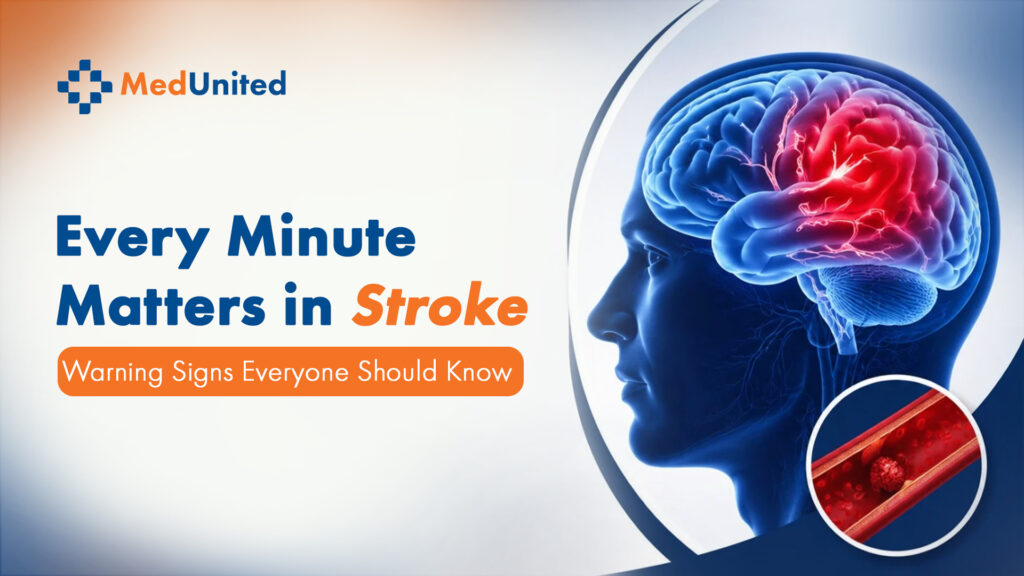
By Dr. A. Venkata Anupama, Consultant Neurologist, MedUnited Hospitals, Palakollu A stroke is one of the most serious medical emergencies, yet many people fail to recognize its warning signs until it is too late. As a neurologist, I often meet patients whose recovery could have been significantly better if they had reached the hospital just a little earlier. When it comes to stroke, every minute matters. Acting quickly can save brain cells, reduce disability and in many cases, save a life. What is a Stroke? A stroke occurs when the blood supply to a part of the brain is interrupted or reduced, depriving brain cells of oxygen and nutrients. Within minutes, these brain cells begin to die, making immediate medical attention critical. There are two main types of stroke: Both conditions require urgent diagnosis and treatment to minimize brain damage and improve recovery. Recognize the Warning Signs – Think BE FAST One of the easiest ways to identify a stroke is by remembering the BE FAST warning signs: B – Balance: Sudden loss of balance, dizziness or difficulty walking. E – Eyes: Sudden blurred vision or loss of vision in one or both eyes. F – Face: One side of the face droops or feels numb. A – Arms: Sudden weakness or numbness in one arm or leg, especially on one side of the body. S – Speech: Slurred speech, difficulty speaking or trouble understanding others. T – Time: If you notice any of these symptoms, call emergency medical services and reach the nearest hospital immediately. Even if the symptoms disappear within a few minutes, do not ignore them. They could indicate a Transient Ischemic Attack (TIA)–often called a “mini–stroke”–which is an important warning sign of a major stroke. Every Minute Counts During an ischemic stroke, nearly 1.9 million brain cells can be lost every minute if blood flow is not restored. This is why neurologists often say, “Time is Brain.” Patients who receive timely treatment have a significantly better chance of recovering with minimal disability. Delaying treatment can lead to permanent paralysis, speech difficulties, memory problems or even death. Who Is at Risk? Although stroke is more common in older adults, it can occur at any age. Your risk increases if you have: Managing these risk factors can dramatically reduce your chances of experiencing a stroke. What Should You Do During a Stroke? If someone suddenly develops stroke symptoms: Early hospital arrival allows neurologists to perform rapid brain imaging and determine the most appropriate treatment. Stroke Treatment Has Advanced Significantly Modern stroke care has transformed outcomes for many patients. Depending on the type of stroke and how quickly the patient reaches the hospital, treatments may include clot-dissolving medications, advanced neuroimaging, intensive monitoring and specialized neurological care. Early diagnosis and timely intervention can help preserve brain function, reduce long-term disability and improve the chances of a successful recovery. Prevention Is Better Than Cure Many strokes are preventable through healthy lifestyle choices. I encourage my patients to: Small lifestyle changes today can significantly reduce your stroke risk in the future. When Should You Consult a Neurologist? Do not ignore symptoms such as: Seeking expert evaluation early can help identify underlying neurological conditions before they become life-threatening. Expert Stroke Care at MedUnited Hospitals, Palakollu At MedUnited Hospitals, Palakollu, our Neurology team is committed to providing timely diagnosis, expert stroke evaluation and comprehensive neurological care. Supported by 24×7 Emergency Services, advanced imaging, ICU facilities and multidisciplinary critical care, we work together to ensure every stroke patient receives prompt and appropriate treatment. If you or your loved one experiences any warning signs of a stroke, do not delay. Every minute matters. For expert consultation, stroke evaluation and neurological care, consult Dr. A. Venkata Anupama, Consultant Neurologist, at MedUnited Hospitals, Palakollu.
Why Chronic Acidity Should Never Be Ignored
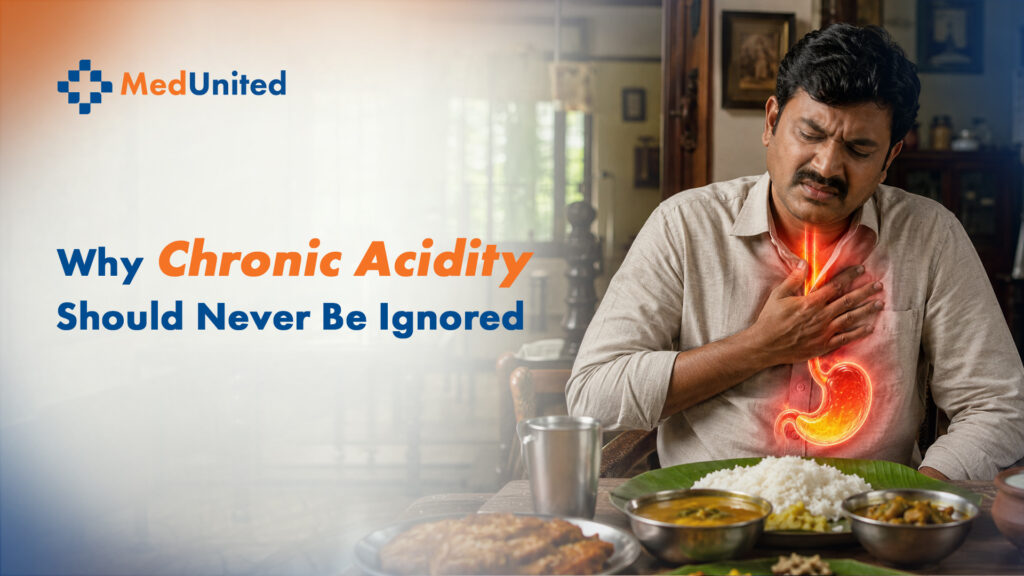
By Dr. K.P.R. Kishore, Consultant Gastroenterologist, MedUnited Hospitals, Amalapuram As a gastroenterologist in Amalapuram, one of the most common complaints I hear from patients is, “Doctor, it’s just acidity.” Many people treat frequent acidity as a minor inconvenience and rely on over-the-counter antacids for temporary relief. However, when acidity becomes persistent, recurrent, or severe, it may be a warning sign of an underlying digestive problem that requires proper evaluation and treatment. In this article, I want to explain why chronic acidity should never be ignored, the symptoms you should watch for, and when to seek expert acidity treatment in Amalapuram. What Is Chronic Acidity? Acidity occurs when stomach acid flows back into the food pipe (esophagus) or irritates the stomach lining. Occasional acidity after a heavy meal is common. But if you experience symptoms more than twice a week or for several weeks, it may indicate a chronic condition such as: Common Symptoms You Should Not Ignore Many patients search online for a gastro specialist near me only after symptoms become severe. Early evaluation is always better. Watch for these symptoms: Why Persistent Acidity Can Be Dangerous Ignoring chronic acidity can lead to complications over time. Damage to the Food Pipe (Esophagus) Repeated acid exposure can inflame and erode the lining of the esophagus, causing esophagitis. Barrett’s Esophagus Long-standing acid reflux may cause abnormal changes in the esophageal lining, increasing the risk of esophageal cancer. Stomach Ulcers Persistent acidity may be associated with gastritis symptoms or ulcers that can bleed or cause severe pain. Nutritional Problems Chronic digestive issues can affect appetite and nutrient absorption. The Role of H. pylori Infection One of the most overlooked causes of chronic acidity is Helicobacter pylori (H. pylori), a bacterium that infects the stomach lining. Patients may experience: Proper H. pylori treatment can significantly improve symptoms and reduce the risk of ulcers and other complications. When Should You See a Gastroenterologist? I strongly recommend consulting a specialist if you have: How We Diagnose the Cause At MedUnited Hospitals, Amalapuram, we evaluate chronic acidity through a detailed history, examination, and appropriate investigations. These may include: Effective Acidity Treatment in Amalapuram The best treatment depends on the underlying cause. Lifestyle Changes Medical Treatment Depending on the diagnosis, treatment may include: My Advice as a Gastroenterologist “Acidity is not always ‘just acidity.’ When symptoms become frequent, persistent, or interfere with daily life, they deserve proper medical attention. Early diagnosis can prevent complications and provide lasting relief.” Expert Gastroenterology Care at MedUnited Hospitals If you are looking for a trusted gastroenterologist in Amalapuram, I am available at MedUnited Hospitals for consultation, evaluation, endoscopy, and treatment of acidity, gastritis, GERD, ulcers, and other digestive disorders. Dr. K.P.R. Kishore – Consultant Gastroenterologist MedUnited Hospitals, Amalapuram Consultation | Endoscopy | Acidity Treatment in Amalapuram | H. pylori Treatment | GERD Care
Lifestyle Diseases in Young Adults: Why BP, Diabetes & Cholesterol Are Rising Earlier Than Ever

A Doctor’s Perspective by Dr. Joyson Manukonda, Consultant – General Medicine, MedUnited Hospitals, Amalapuram “I’m Only 28, Doctor. How Can I Have High BP?” This is a question I hear more often than ever before. A decade ago, conditions like high blood pressure, diabetes, high cholesterol, fatty liver disease and heart disease were largely associated with middle-aged and elderly individuals. Today, it is becoming increasingly common to diagnose these conditions in people in their 20s and 30s. Young professionals, entrepreneurs, software employees, students and even fitness enthusiasts are walking into clinics with elevated blood pressure, prediabetes, insulin resistance and unhealthy cholesterol levels. As a General Physician at MedUnited Hospitals, I have witnessed this shift firsthand. The worrying part is that many young adults feel healthy and show no obvious symptoms until complications begin to develop. The question is no longer whether lifestyle diseases are affecting young adults. The real question is: Why are they rising so rapidly and what can we do about it? India’s Growing Lifestyle Disease Crisis India is currently experiencing a major health transition. Recent surveys indicate that lifestyle-related conditions such as hypertension, diabetes, heart disease and metabolic disorders now affect a significantly larger proportion of the population than they did a decade ago. Experts are observing a steady rise in non-communicable diseases across younger age groups. In fact, non-communicable diseases such as diabetes, cardiovascular disease, hypertension and stroke account for a majority of health-related deaths in India today. This is not just a medical concern. It is becoming a lifestyle epidemic. Why Are Young Adults Developing Diabetes Earlier? One of the most concerning trends we are seeing is the rise of Type 2 Diabetes among young adults. Previously considered a disease of older age, diabetes is now being diagnosed in individuals as young as their twenties. Several factors are contributing to this trend: Sedentary Work Culture Many young adults spend 8-12 hours daily sitting in front of computers. Physical inactivity reduces insulin sensitivity and promotes weight gain. Processed Food Consumption Frequent intake of: causes repeated blood sugar spikes that increase diabetes risk over time. Sleep Deprivation Poor sleep affects hormone regulation, appetite control and glucose metabolism. Chronic Stress Long working hours, financial pressure, career uncertainty and digital overload can elevate stress hormones, which indirectly contribute to insulin resistance. Family History South Asians have a higher genetic tendency toward diabetes compared to many other populations, making preventive screening even more important. Why Is High Blood Pressure Becoming Common in People Under 40? Many people still believe hypertension only affects older adults. Unfortunately, this is no longer true. Today, young adults are increasingly being diagnosed with elevated blood pressure during routine health checkups. The most common contributors include: Studies also suggest that prolonged sitting and chronic stress significantly increase cardiovascular risk, even among individuals who appear physically fit. The dangerous part? High blood pressure often causes no symptoms until serious complications occur. That is why it is frequently referred to as a “silent killer.” The Cholesterol Problem Nobody Notices High cholesterol rarely causes pain. It rarely causes warning signs. Yet it quietly damages blood vessels for years. When unhealthy cholesterol accumulates in arteries, it can eventually lead to: Many young adults assume cholesterol issues only affect overweight individuals. However, genetics, poor dietary habits, smoking, stress and lack of physical activity can contribute even in people who appear slim or active. The Dangerous Trio: BP, Diabetes and Cholesterol One condition often leads to another. A patient with: may eventually develop diabetes and cholesterol abnormalities as well. This combination is commonly known as Metabolic Syndrome. Metabolic syndrome significantly increases the risk of: This is why treating individual numbers alone is not enough. We must address the entire lifestyle. Warning Signs Young Adults Should Never Ignore While many lifestyle diseases remain silent, some early warning signs may include: ✓ Frequent fatigue ✓ Unexplained weight gain ✓ Increased thirst ✓ Frequent urination ✓ Persistent headaches ✓ Blurred vision ✓ Breathlessness on exertion ✓ Poor sleep quality ✓ Elevated blood pressure readings ✓ Increased waist circumference If you notice any of these symptoms, do not delay a medical consultation. Five Lifestyle Changes That Can Reduce Your Risk The good news is that lifestyle diseases are often preventable. Move More Every Day Aim for at least 150 minutes of moderate physical activity each week. Walking, cycling, swimming and strength training can all help. Prioritize Sleep Adults should ideally get 7-8 hours of quality sleep. Sleep is not a luxury. It is preventive medicine. Reduce Ultra-Processed Foods Choose: more often than packaged foods. Manage Stress Proactively Meditation, yoga, exercise and spending time with family can improve both mental and physical health. Get Regular Health Checkups The biggest mistake many young adults make is waiting for symptoms. Lifestyle diseases often begin years before symptoms appear. My Advice as a General Physician One of the most common statements I hear is: “Doctor, I feel perfectly fine.” Unfortunately, feeling fine does not always mean being healthy. Many patients discover high blood pressure, diabetes or cholesterol problems only after routine screening. That is why I strongly encourage adults above 25-30 years of age to undergo periodic health evaluations, especially if there is: Early detection gives us the opportunity to prevent complications before they occur. And prevention is always better than treatment. Comprehensive General Medicine Care at MedUnited Hospitals At MedUnited Hospitals, our General Medicine team focuses on early detection, prevention and long-term management of lifestyle-related diseases. Whether you need: our team is here to help. If you are searching for the Best General Physician in Amalapuram, Best General Physician in Palakollu, or expert General Medicine Services in Amalapuram and Palakollu, MedUnited Hospitals offers comprehensive care supported by advanced diagnostics, coordinated care services and preventive health programs. Because the best time to manage lifestyle disease is before it becomes a lifelong problem. Suggested Internal Links About the Author Dr. Joyson Manukonda Consultant – General Medicine MedUnited Hospitals, Amalapuram Dr. Joyson Manukonda specializes in preventive healthcare, lifestyle disease management, diabetes care, hypertension management and comprehensive adult medical care. His focus is on helping patients detect health risks early and maintain long-term wellness through evidence-based medicine and personalized care.
What Smoking Really Does to Your Body: A Pulmonologist’s Perspective on Heart & Lung Health
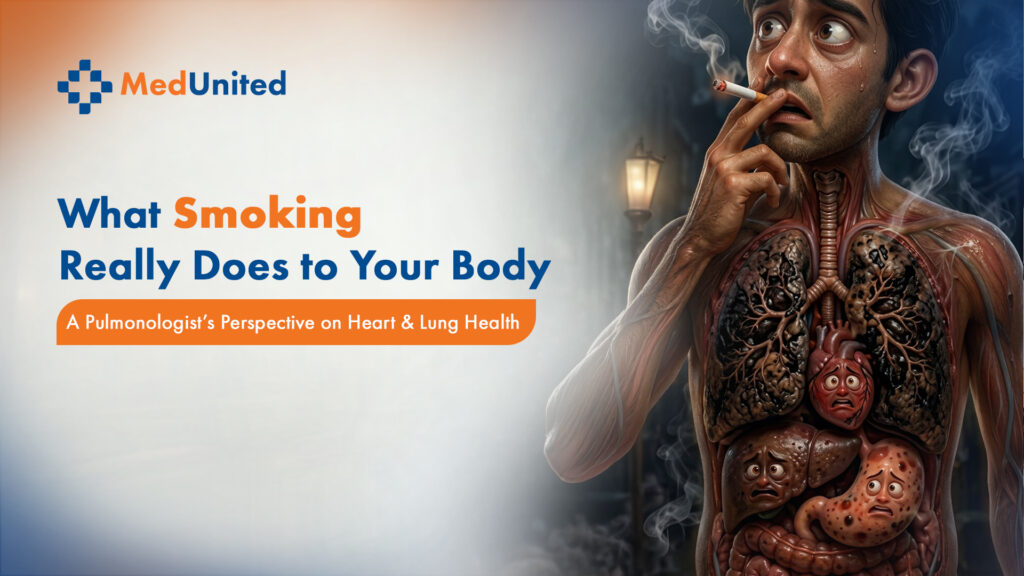
By Dr. K. Shyamala Pragnya, Consultant Pulmonologist, MedUnited Hospitals – Palakollu Smoking Doesn’t Just Affect Your Lungs-It Affects Your Entire Life As a pulmonologist, one of the most common things I hear is: “Doctor, I’ve been smoking for years and I’m perfectly fine.” Unfortunately, many smoking-related diseases develop silently over time. By the time symptoms become obvious, significant damage may have already occurred. Whether it’s cigarettes, bidis, cigars, vaping products, or passive smoking, tobacco exposure can affect almost every organ in the body. It significantly increases the risk of chronic lung disease, heart disease, stroke, and multiple cancers. According to global health estimates, tobacco use remains one of the leading preventable causes of death worldwide. The encouraging news is that quitting smoking at any age brings measurable health benefits. What Happens Inside Your Body When You Smoke? Every puff introduces thousands of chemicals into your body, many of which are harmful and several are known carcinogens. Smoking can: Over time, these effects can become life-threatening. The Impact on Your Lungs The lungs are among the first organs to suffer. Smoking increases the risk of: At MedUnited Pulmonology, we routinely evaluate patients with chronic cough, wheezing, breathing difficulty, and smoking-related lung disease using evidence-based respiratory care and advanced diagnostic support. Smoking and Your Heart: A Dangerous Combination Many people associate smoking only with lung disease, but it is equally dangerous for the heart. Smoking can: Even people who smoke only a few cigarettes a day are not protected from cardiovascular risk. Warning Signs You Should Never Ignore Please seek medical evaluation if you experience: Early diagnosis can significantly improve treatment outcomes. What About Passive Smoking? Even if you don’t smoke yourself, regular exposure to tobacco smoke can increase the risk of: Protecting your family from second-hand smoke is equally important. Is Vaping Really Safer? Many people believe vaping is harmless. The reality is that research continues to identify important health concerns associated with e-cigarettes and vaping products. They can expose users to harmful substances and are not considered risk-free. If your goal is better health, quitting nicotine completely is the healthiest option. The Good News: Your Body Starts Recovering After You Quit One of the most rewarding conversations I have with patients is about recovery after smoking cessation. Your body begins healing remarkably quickly: It’s never too late to quit. Prevention Is Better Than Treatment I encourage every smoker and former smoker to undergo regular health evaluations, especially if they have: Timely screening and medical consultation can identify disease before complications develop. Comprehensive Pulmonology Care at MedUnited Hospitals At MedUnited Hospitals, our Pulmonology Department provides comprehensive care for: If you or a loved one has persistent respiratory symptoms or needs expert guidance on quitting smoking and protecting lung health, expert consultation is available with Dr. K. Shyamala Pragnya, Consultant Pulmonologist, at MedUnited Hospitals.
Hidden Health Risks This Summer: How Extreme Heat Can Affect Your Heart, Kidneys & Overall Health
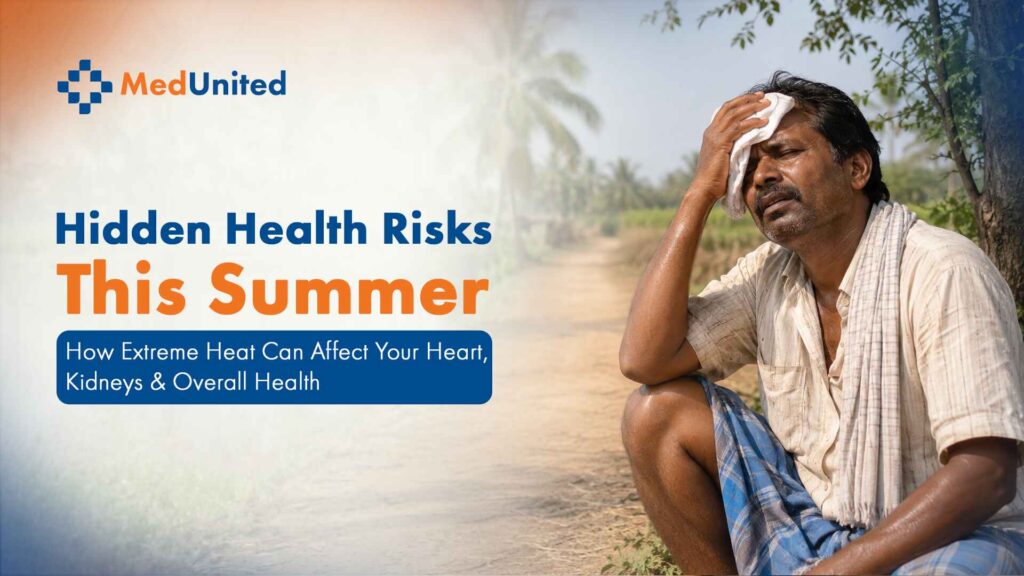
By Dr. Ravilla Manoj Kumar MBBS, MD (General Medicine) Consultant General Physician, MedUnited Hospitals, Palakollu When most people think about summer health risks, they usually think about dehydration, sunburn or feeling tired after spending time outdoors. However, what many people do not realize is that extreme heat can silently affect some of the most important organs in the body-including the heart, kidneys, brain and lungs. Every summer, we see patients who initially ignore symptoms such as fatigue, dizziness, headaches, muscle cramps or reduced urine output, assuming they are simply “summer-related discomforts.” In reality, these may be early warning signs that the body is struggling to cope with excessive heat. As temperatures continue to rise across Andhra Pradesh, understanding these hidden health risks becomes more important than ever. Why Extreme Heat Is More Dangerous Than Many People Think The human body works continuously to maintain a stable internal temperature. When environmental temperatures become too high, the body responds by: While these mechanisms help cool the body, they also place significant stress on vital organs. According to the World Health Organization (WHO), heat stress is one of the leading causes of weather-related illness and death worldwide. Extreme heat can worsen cardiovascular disease, diabetes, respiratory illnesses and kidney disorders. The danger is that many of these complications begin silently before obvious symptoms appear. How Summer Heat Affects Your Heart One of the organs most affected during extreme heat is the heart. To cool the body, blood vessels expand and the heart must pump harder to maintain adequate circulation. At the same time, dehydration reduces blood volume, forcing the heart to work even harder. This combination can increase strain on the cardiovascular system. For individuals with: summer temperatures can significantly increase health risks. Warning Signs You Should Never Ignore These symptoms require immediate medical attention, especially in elderly individuals and those with existing heart conditions. Internal Link Opportunity: Related Department: Cardiology Services at MedUnited Hospitals Your Kidneys May Be Suffering Without You Knowing It The kidneys play a critical role in maintaining fluid balance. During hot weather, excessive sweating causes significant fluid loss. If adequate hydration is not maintained, blood flow to the kidneys decreases. When this happens, the kidneys receive less oxygen and fewer nutrients, increasing the risk of: Research has shown that extreme heat can contribute to acute kidney injury, particularly among outdoor workers, elderly individuals and those with existing kidney problems. Common Symptoms of Heat-Related Kidney Stress These symptoms should not be ignored. Internal Link Opportunity: Related Department: Nephrology Services at MedUnited Hospitals The Impact on the Brain and Nervous System The brain is highly sensitive to temperature changes. As body temperature rises, patients may experience: In severe cases, heat stroke can occur-a medical emergency that can lead to permanent organ damage or even death if not treated immediately. WHO identifies heat stroke as one of the most serious heat-related emergencies. Who Is Most at Risk? Although anyone can be affected, certain groups are particularly vulnerable: Elderly Individuals The body’s ability to regulate temperature naturally declines with age. People with Chronic Diseases Patients with: face higher risks during heat waves. Outdoor Workers Farmers, construction workers, drivers and field staff often experience prolonged heat exposure. Children Children become dehydrated faster than adults and may not recognize symptoms early. Pregnant Women Increased fluid requirements make pregnant women more vulnerable to heat-related complications. Common Summer Mistakes That Increase Health Risks Every summer, we frequently observe patients making avoidable mistakes: Not Drinking Enough Water Many people wait until they feel thirsty. By then, dehydration may have already begun. Skipping Meals Reduced food intake can worsen weakness and electrolyte imbalances. Excessive Tea, Coffee and Sugary Drinks These do not replace water and may contribute to dehydration. Ignoring Early Symptoms Symptoms such as fatigue, headache and dizziness are often dismissed until the condition becomes serious. Outdoor Activity During Peak Heat Hours The risk is highest between 11 AM and 4 PM. Simple Steps to Protect Your Health This Summer Fortunately, most heat-related illnesses can be prevented. Stay Hydrated Drink water regularly throughout the day, even if you are not thirsty. Avoid Peak Heat Exposure Limit outdoor activities during the hottest hours. Wear Light Clothing Choose loose, breathable cotton clothing. Maintain Electrolyte Balance Include fruits, coconut water and healthy fluids in your diet. Monitor High-Risk Family Members Pay special attention to elderly parents, children and individuals with chronic illnesses. Never Ignore Warning Symptoms Seek medical care if symptoms persist or worsen. When Should You Consult a Doctor? Seek medical attention immediately if you experience: Early diagnosis and timely treatment can prevent serious complications.