
Early Detection Can Save Lives
By Dr. Shyamala Pragnya
Consultant Pulmonologist
MedUnited Hospitals, Palakollu
Every day in my OPD, I meet patients who tell me, “Doctor, I thought it was just a cough.” Others say they ignored breathlessness because they believed it was due to age, weather changes, or a smoking habit they had lived with for years.
Unfortunately, these seemingly “small” symptoms sometimes turn out to be signs of a much more serious condition-lung cancer.
The encouraging news is that lung cancer is no longer a disease that always has to be diagnosed in its advanced stages. With increased awareness, timely screening, and early medical evaluation, we now have better opportunities to diagnose and treat it earlier than ever before.
As a Pulmonologist at MedUnited Hospitals, Palakollu, I believe that awareness is the first step towards saving lives.
Lung Cancer Can Affect Anyone
One of the biggest misconceptions I encounter is that lung cancer only affects smokers.
While smoking remains the leading cause of lung cancer, it is certainly not the only cause.
I have treated patients who have never smoked a single cigarette in their lives but developed lung cancer due to other risk factors.
This is why every individual-not just smokers-should be aware of the warning signs.
Who Is More Likely to Develop Lung Cancer?
Certain individuals have a higher risk and should be particularly vigilant about their lung health.
These include:
- Current smokers
- Former smokers
- People exposed to second-hand smoke
- Individuals with a family history of lung cancer
- Construction workers exposed to dust and asbestos
- Welders
- Coal miners
- Bus and truck drivers exposed to diesel exhaust
- Mechanics working around harmful fumes
- Factory workers exposed to industrial chemicals
- People over the age of 50
Long-term exposure to air pollution and occupational hazards can also contribute to lung damage over time.
Symptoms You Should Never Ignore
Our lungs usually give us warning signs before serious disease develops.
Unfortunately, many people dismiss these symptoms until they become severe.
If you experience any of the following, I strongly recommend consulting a Pulmonologist without delay.
Persistent Cough
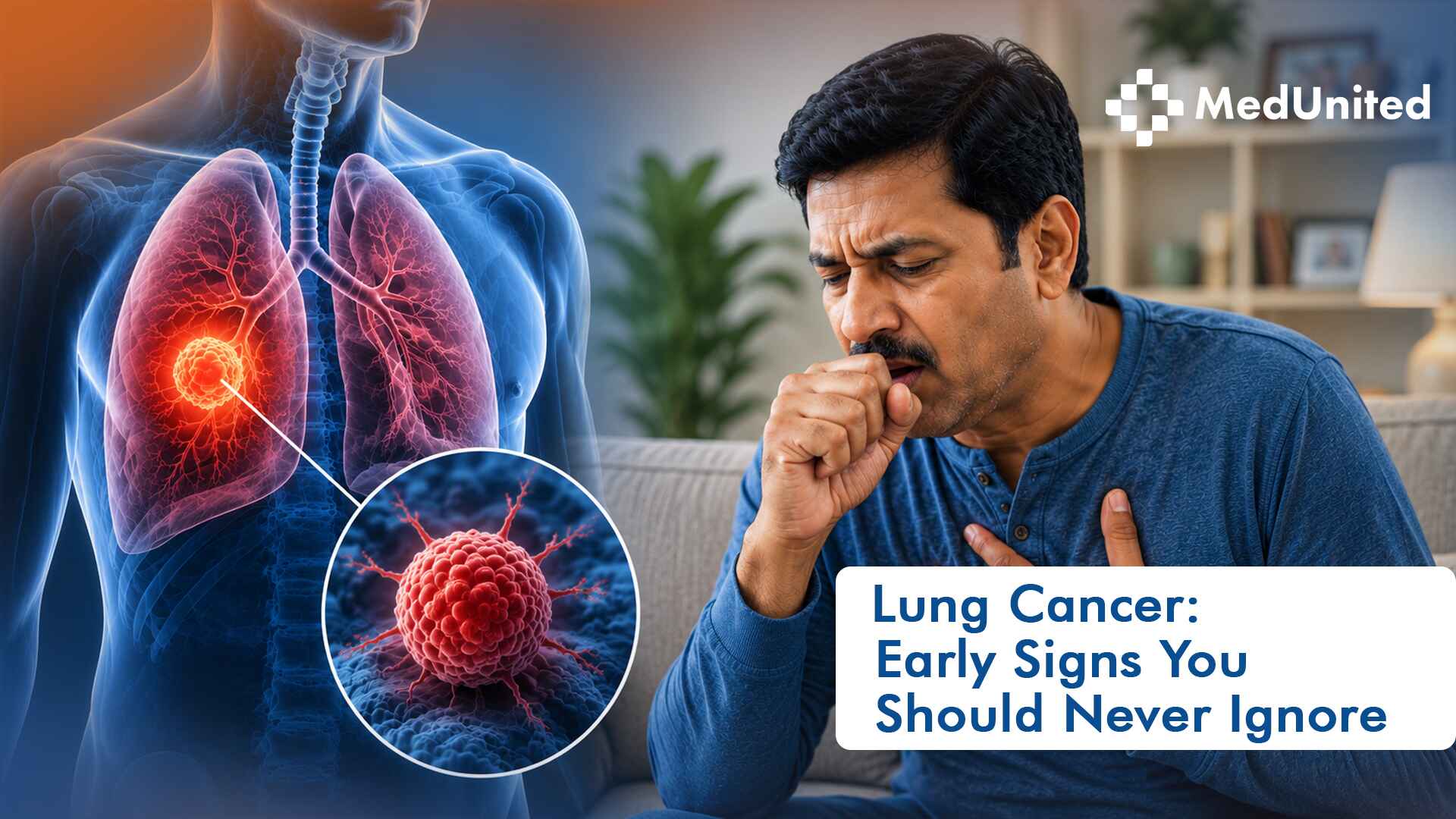
A cough lasting more than three weeks should never be ignored.
Many people repeatedly take cough syrups or antibiotics without understanding the underlying cause.
A persistent cough deserves proper evaluation.
Coughing Up Blood
Even a small amount of blood in the sputum requires immediate medical attention.
Do not assume it is due to throat irritation.
Breathlessness
If you feel unusually short of breath while climbing stairs or doing routine daily activities, your lungs may be trying to tell you something.
Chest Pain
Persistent chest pain-especially while coughing or taking deep breaths-should always be investigated.
Unexplained Weight Loss
Losing weight without dieting or increased exercise is often one of the earliest warning signs of several serious illnesses, including lung cancer.
Loss of Appetite
A sudden decrease in appetite combined with fatigue or respiratory symptoms should not be ignored.
Constant Fatigue
Many patients tell me they feel exhausted even after adequate rest.
Persistent fatigue is another symptom that deserves medical evaluation.
Voice Changes
Hoarseness or a change in voice lasting more than two weeks may indicate irritation or involvement of structures around the lungs and throat.
Repeated Chest Infections
If you frequently develop pneumonia or bronchitis, especially in the same part of the lung, further evaluation is essential.
Early Detection Changes Everything
One question patients frequently ask me is:
“Doctor, can lung cancer be cured?”
My answer is always the same.
When detected early, lung cancer is far more treatable.
Early diagnosis provides more treatment options, including surgery, targeted therapies, immunotherapy, and radiation treatment depending on the stage and type of cancer.
The earlier we identify the disease, the better the chances of successful treatment and improved quality of life.
How Do We Diagnose Lung Cancer?
When someone presents with persistent symptoms or belongs to a high-risk group, we may recommend investigations such as:
- Chest X-ray
- CT Scan of the Chest
- Low-Dose CT Screening (for eligible high-risk individuals)
- Bronchoscopy
- Sputum Analysis
- PET Scan (when indicated)
- Lung Biopsy
- Pulmonary Function Tests
Among these, CT Scan has become an invaluable tool in detecting small lung abnormalities long before they become symptomatic.
Can Lung Cancer Be Prevented?
Although not every case can be prevented, we can significantly reduce our risk through healthy choices.
I advise my patients to:
- Stop smoking completely.
- Avoid exposure to second-hand smoke.
- Wear protective masks if working in dusty or hazardous environments.
- Exercise regularly.
- Maintain a healthy weight.
- Eat a balanced diet rich in fruits and vegetables.
- Seek medical attention early if respiratory symptoms persist.
- Undergo regular health check-ups if they belong to high-risk groups.
Small lifestyle changes today can protect your lungs for years to come.
Common Myths I Hear in My Clinic
“I don’t smoke, so I can’t get lung cancer.”
Unfortunately, this is not true.
Many non-smokers develop lung cancer due to environmental exposure, occupational hazards, genetics, and passive smoking.
“It’s just a cough.”
Sometimes it is.
But when a cough persists beyond three weeks, it deserves medical evaluation.
Never self-diagnose.
“If I don’t have chest pain, my lungs are fine.”
Early lung cancer often causes no pain at all.
Waiting for severe symptoms may delay diagnosis.
“I quit smoking years ago, so I don’t need to worry.”
Quitting smoking greatly reduces your risk, but former smokers should still remain aware of symptoms and discuss screening with their doctor when appropriate.
When Should You Visit a Pulmonologist?
Please consult a lung specialist if you have:
- A cough lasting more than three weeks
- Blood in your sputum
- Persistent breathlessness
- Recurrent chest infections
- Unexplained weight loss
- Ongoing chest pain
- Constant fatigue
- Hoarseness lasting more than two weeks
These symptoms do not always mean cancer-but they should always be evaluated.
My Message to Every Family
As doctors, we often say:
“Don’t wait for symptoms to become severe before seeking help.”
That advice is especially true for lung health.
Whether you are a smoker, an ex-smoker, someone exposed to occupational dust, or even someone who has never smoked, your lungs deserve attention.
Ignoring symptoms can delay diagnosis.
Seeking medical advice early can save lives.
If you or someone in your family has persistent respiratory symptoms, please don’t postpone your consultation.
At MedUnited Hospitals, Palakollu, our Pulmonology team is committed to helping patients through early diagnosis, advanced investigations, evidence-based treatment, and compassionate care.
Remember-
Early detection doesn’t just improve treatment. It saves lives.