



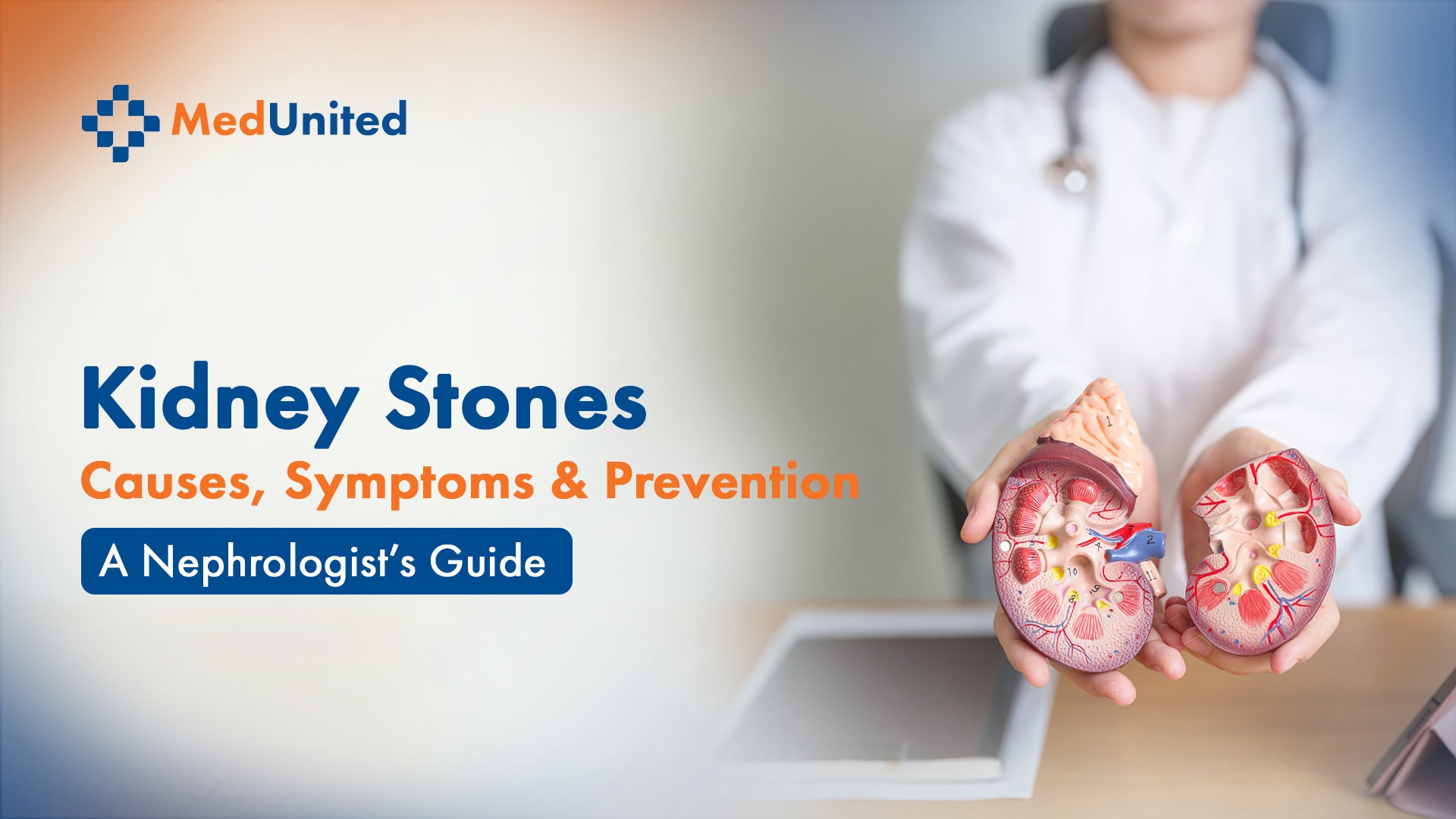
Kidney Stones: Causes, Symptoms & Prevention – A Nephrologist’s Guide
By Dr. Praveen Revu, Consultant Nephrologist
Kidney stones are one of the most common kidney-related problems I see in my clinical practice. Many patients come to us only after experiencing severe pain, but the reality is that kidney stones often develop silently over time. With the right awareness and preventive measures, many cases can be avoided.
As a nephrologist working with patients across Konaseema, I believe education is the first step toward preventing kidney complications. In this article, I want to explain why kidney stones occur, how to recognize the symptoms early and what you can do to prevent them.
If you are searching for the best nephrologist in Amalapuram, understanding these basics can help you take proactive steps toward protecting your kidney health.
What Are Kidney Stones?
Kidney stones are hard deposits formed from minerals and salts that crystallize inside the kidneys. These stones can vary in size-from tiny particles that pass unnoticed to larger stones that block the urinary tract and cause intense pain.
The kidneys filter waste and excess fluids from the blood to produce urine. When certain substances such as calcium, oxalate, or uric acid become highly concentrated, they can crystallize and gradually form stones.
If untreated, kidney stones may lead to complications such as:
- Severe kidney pain (renal colic)
- Urinary tract infections
- Kidney damage
- Obstruction of urine flow
This is why timely diagnosis and proper treatment through the best nephrology services in Amalapuram are important.
Common Types of Kidney Stones
Understanding the type of kidney stone helps guide treatment and prevention strategies.
Calcium Stones
The most common type, usually composed of calcium oxalate. These stones often develop due to dehydration, diet, or metabolic factors.
Uric Acid Stones
These occur in people with high uric acid levels, often linked to high-protein diets, gout, or metabolic conditions.
Struvite Stones
Often associated with chronic urinary infections. These stones can grow rapidly and become large.
Cystine Stones
A rare genetic condition causes these stones due to excessive cystine in urine.
Causes of Kidney Stones
In my clinical practice, several factors frequently contribute to kidney stone formation.
Dehydration
Insufficient water intake is one of the most common causes. Concentrated urine allows minerals to crystallize.
Dietary Factors
High intake of salt, sugar, or oxalate-rich foods such as spinach and nuts can increase risk.
Family History
Genetic predisposition can make some individuals more prone to developing stones.
Obesity and Metabolic Conditions
Conditions such as diabetes and obesity alter the balance of substances in urine.
Recurrent Urinary Infections
Infections may promote certain types of stones, particularly struvite stones.
Patients experiencing these risk factors should consult a specialist providing the best nephrology services in Amalapuram to evaluate kidney health.
Symptoms of Kidney Stones
Small stones may pass without symptoms. However, larger stones often cause noticeable problems.
Common symptoms include:
- Severe pain in the back or side (flank pain)
- Pain radiating toward the lower abdomen or groin
- Blood in urine
- Burning sensation during urination
- Frequent urge to urinate
- Nausea or vomiting
- Fever if infection is present
Any of these symptoms should not be ignored, especially if the pain is severe or persistent.
How Kidney Stones Are Diagnosed
At MedUnited Hospitals, we use modern diagnostic techniques to identify kidney stones early.
Diagnostic tests may include:
- Ultrasound scan
- CT scan of the urinary tract
- Urine analysis
- Blood tests to evaluate kidney function
Early diagnosis allows us to treat stones before they lead to serious complications.
Treatment Options for Kidney Stones
Treatment depends on the size, location and type of stone.
Conservative Management
Small stones may pass naturally with:
- Increased water intake
- Pain management
- Medications to relax the urinary tract
Medical Treatment
Medications may help dissolve certain types of stones or prevent recurrence.
Surgical Procedures
For larger stones, procedures may include:
- Shockwave lithotripsy (breaking stones with sound waves)
- Ureteroscopy
- Percutaneous nephrolithotomy
These treatments are performed by specialists with experience in kidney and urinary disorders.
Practical Tips to Prevent Kidney Stones
Prevention is always better than treatment. I often advise my patients to follow these simple habits:
Stay Hydrated
Drink 2.5-3 liters of water daily to dilute urine and reduce mineral buildup.
Reduce Salt Intake
Excess sodium increases calcium excretion in urine.
Maintain a Balanced Diet
Limit excessive animal protein and oxalate-rich foods.
Increase Citrus Intake
Citrus fruits such as lemons contain citrate, which helps prevent stone formation.
Maintain a Healthy Weight
Obesity increases the risk of kidney stone formation.
Regular Health Checkups
Periodic screening helps detect kidney issues early.
When Should You See a Nephrologist?
You should consult a kidney specialist if you experience:
- Recurrent kidney stones
- Persistent flank pain
- Blood in urine
- Family history of kidney disease
- Abnormal kidney function tests
Early consultation with the best nephrologist in Amalapuram can help prevent complications and protect long-term kidney health.
Comprehensive Kidney Care at MedUnited Hospitals
At MedUnited Hospitals, we provide advanced and patient-centered kidney care with modern diagnostic and treatment facilities. The hospital offers integrated medical services and state-of-the-art infrastructure to ensure high-quality patient care.
Our nephrology services include:
- Kidney disease diagnosis and management
- Dialysis services
- Hypertension management related to kidney disease
- Chronic kidney disease (CKD) care
- Preventive nephrology consultation
Patients seeking the best nephrology services in Amalapuram can consult Dr. Praveen Revu, an experienced nephrologist with expertise in dialysis, renal disease management and clinical nephrology.
Final Advice from the Doctor
Kidney stones are painful but largely preventable. Simple lifestyle changes-especially adequate hydration and dietary balance-can significantly reduce your risk.
If you experience symptoms or have a history of kidney stones, do not delay medical evaluation. Early consultation can prevent complications and preserve kidney function.
For consultation, treatment, or kidney health advice, patients can visit MedUnited Hospitals and meet Dr. Praveen Revu, who provides expert care and guidance for kidney disorders.