
By Dr. A. Venkata Anupama, Consultant Neurologist, MedUnited Hospitals, Palakollu
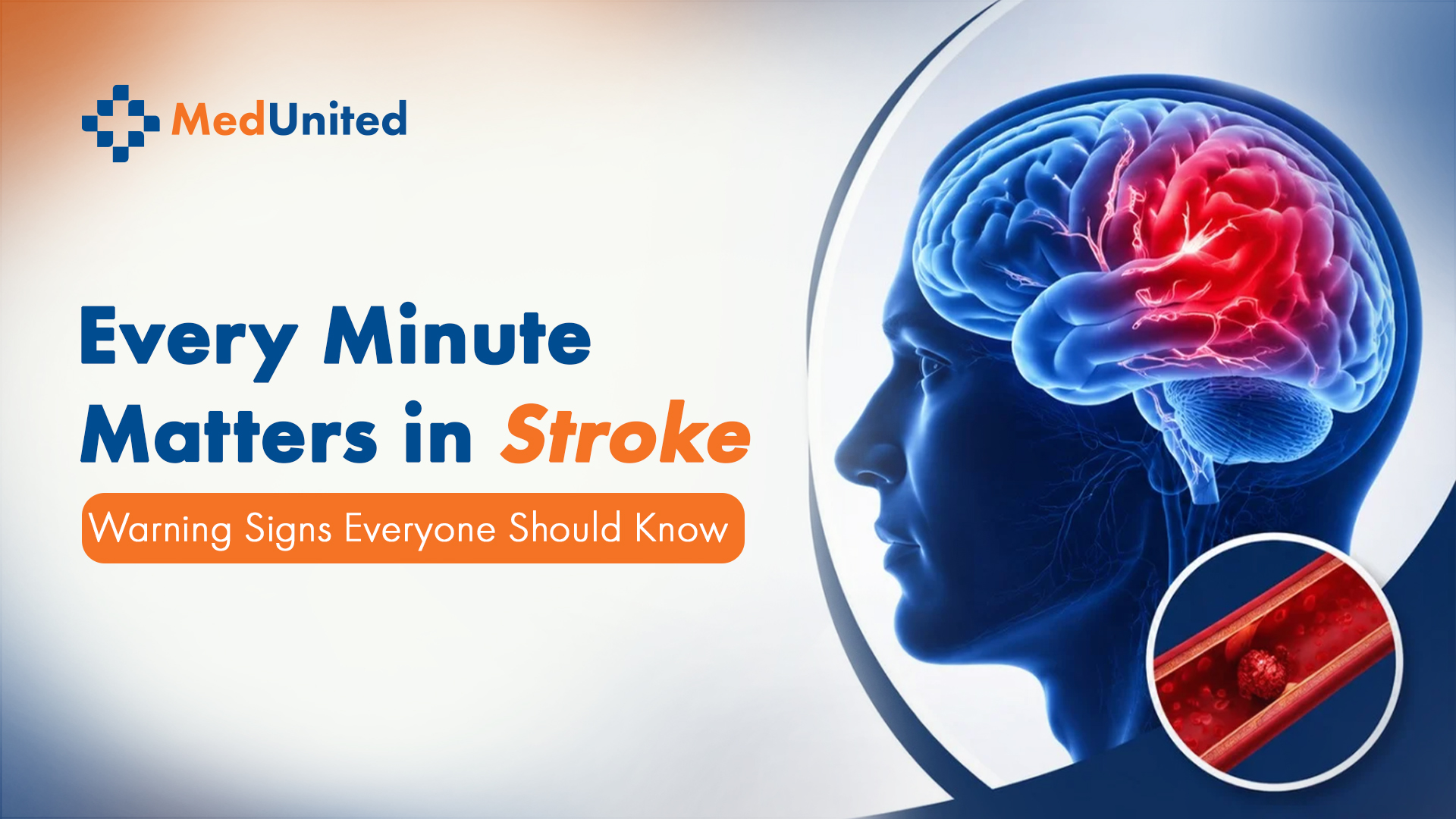
A stroke is one of the most serious medical emergencies, yet many people fail to recognize its warning signs until it is too late. As a neurologist, I often meet patients whose recovery could have been significantly better if they had reached the hospital just a little earlier. When it comes to stroke, every minute matters. Acting quickly can save brain cells, reduce disability and in many cases, save a life.
What is a Stroke?
A stroke occurs when the blood supply to a part of the brain is interrupted or reduced, depriving brain cells of oxygen and nutrients. Within minutes, these brain cells begin to die, making immediate medical attention critical.
There are two main types of stroke:
- Ischemic Stroke – Caused by a blockage in a blood vessel supplying the brain. This accounts for nearly 85% of all strokes.
- Hemorrhagic Stroke – Caused by bleeding in or around the brain due to a ruptured blood vessel.
Both conditions require urgent diagnosis and treatment to minimize brain damage and improve recovery.
Recognize the Warning Signs – Think BE FAST
One of the easiest ways to identify a stroke is by remembering the BE FAST warning signs:
B – Balance: Sudden loss of balance, dizziness or difficulty walking.
E – Eyes: Sudden blurred vision or loss of vision in one or both eyes.
F – Face: One side of the face droops or feels numb.
A – Arms: Sudden weakness or numbness in one arm or leg, especially on one side of the body.
S – Speech: Slurred speech, difficulty speaking or trouble understanding others.
T – Time: If you notice any of these symptoms, call emergency medical services and reach the nearest hospital immediately.
Even if the symptoms disappear within a few minutes, do not ignore them. They could indicate a Transient Ischemic Attack (TIA)–often called a “mini–stroke”–which is an important warning sign of a major stroke.
Every Minute Counts
During an ischemic stroke, nearly 1.9 million brain cells can be lost every minute if blood flow is not restored. This is why neurologists often say, “Time is Brain.”
Patients who receive timely treatment have a significantly better chance of recovering with minimal disability. Delaying treatment can lead to permanent paralysis, speech difficulties, memory problems or even death.
Who Is at Risk?
Although stroke is more common in older adults, it can occur at any age.
Your risk increases if you have:
- High blood pressure
- Diabetes
- High cholesterol
- Heart disease or irregular heartbeat
- Smoking or tobacco use
- Obesity
- Lack of physical activity
- Excessive alcohol consumption
- Family history of stroke
Managing these risk factors can dramatically reduce your chances of experiencing a stroke.
What Should You Do During a Stroke?
If someone suddenly develops stroke symptoms:
- Stay calm and seek emergency medical care immediately.
- Note the exact time the symptoms started.
- Do not wait to see if the symptoms improve.
- Do not drive yourself if emergency medical assistance is available.
- Do not give food, water or medications unless advised by a healthcare professional.
Early hospital arrival allows neurologists to perform rapid brain imaging and determine the most appropriate treatment.
Stroke Treatment Has Advanced Significantly
Modern stroke care has transformed outcomes for many patients. Depending on the type of stroke and how quickly the patient reaches the hospital, treatments may include clot-dissolving medications, advanced neuroimaging, intensive monitoring and specialized neurological care.
Early diagnosis and timely intervention can help preserve brain function, reduce long-term disability and improve the chances of a successful recovery.
Prevention Is Better Than Cure
Many strokes are preventable through healthy lifestyle choices.
I encourage my patients to:
- Keep blood pressure under control.
- Manage diabetes and cholesterol.
- Exercise regularly.
- Eat a balanced diet rich in fruits and vegetables.
- Avoid smoking and tobacco.
- Limit alcohol consumption.
- Attend regular health check-ups, especially if you have existing medical conditions.
Small lifestyle changes today can significantly reduce your stroke risk in the future.
When Should You Consult a Neurologist?
Do not ignore symptoms such as:
- Frequent dizziness
- Sudden numbness or weakness
- Difficulty speaking
- Recurrent headaches with neurological symptoms
- Loss of balance
- Sudden vision changes
- Episodes of confusion or memory loss
Seeking expert evaluation early can help identify underlying neurological conditions before they become life-threatening.
Expert Stroke Care at MedUnited Hospitals, Palakollu
At MedUnited Hospitals, Palakollu, our Neurology team is committed to providing timely diagnosis, expert stroke evaluation and comprehensive neurological care. Supported by 24×7 Emergency Services, advanced imaging, ICU facilities and multidisciplinary critical care, we work together to ensure every stroke patient receives prompt and appropriate treatment.
If you or your loved one experiences any warning signs of a stroke, do not delay. Every minute matters.
For expert consultation, stroke evaluation and neurological care, consult Dr. A. Venkata Anupama, Consultant Neurologist, at MedUnited Hospitals, Palakollu.