



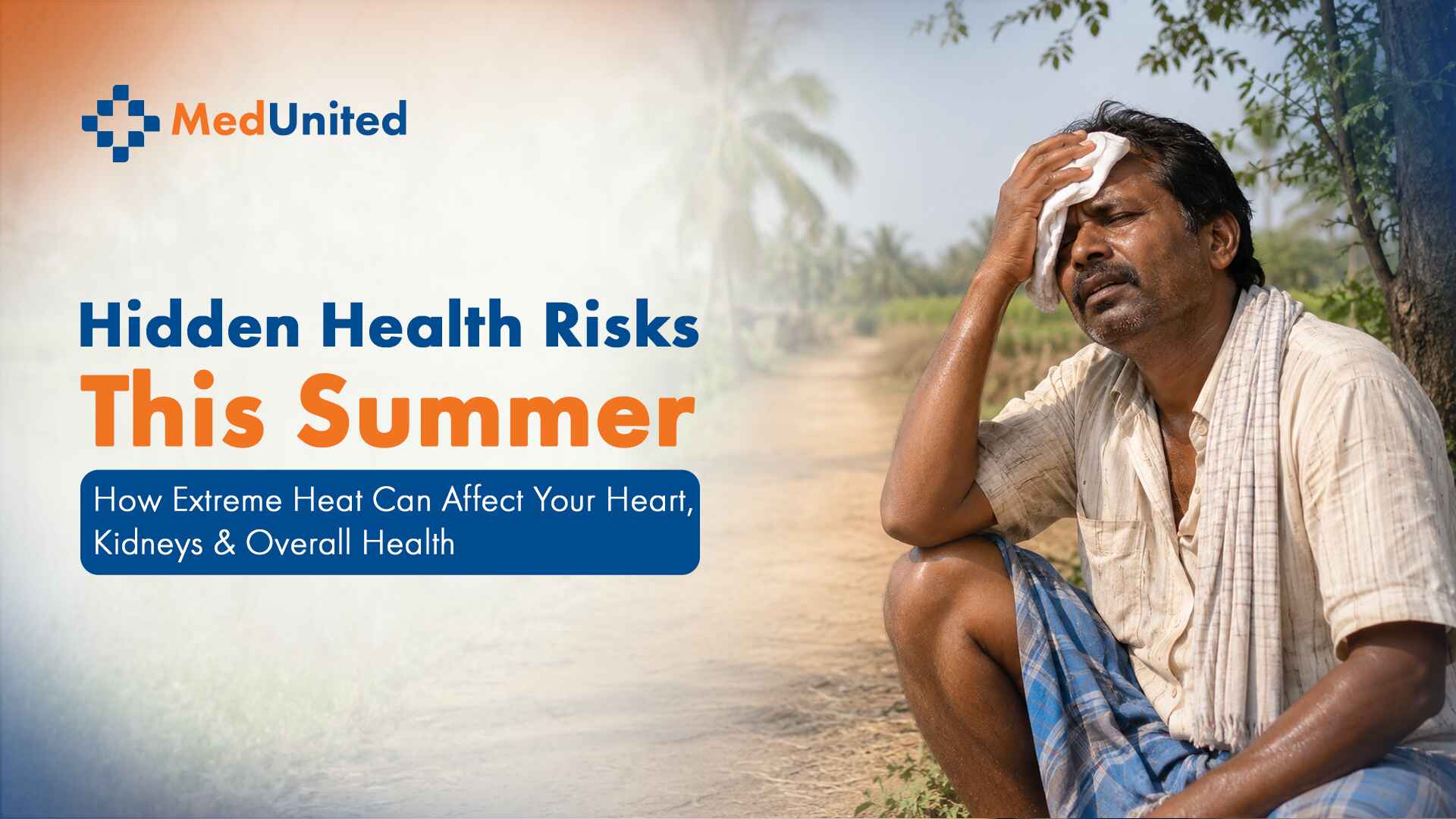
Hidden Health Risks This Summer: How Extreme Heat Can Affect Your Heart, Kidneys & Overall Health
MBBS, MD (General Medicine)
Consultant General Physician, MedUnited Hospitals, Palakollu
When most people think about summer health risks, they usually think about dehydration, sunburn or feeling tired after spending time outdoors.
However, what many people do not realize is that extreme heat can silently affect some of the most important organs in the body-including the heart, kidneys, brain and lungs.
Every summer, we see patients who initially ignore symptoms such as fatigue, dizziness, headaches, muscle cramps or reduced urine output, assuming they are simply “summer-related discomforts.” In reality, these may be early warning signs that the body is struggling to cope with excessive heat.
As temperatures continue to rise across Andhra Pradesh, understanding these hidden health risks becomes more important than ever.
Why Extreme Heat Is More Dangerous Than Many People Think
The human body works continuously to maintain a stable internal temperature.
When environmental temperatures become too high, the body responds by:
- Sweating more
- Increasing blood flow to the skin
- Raising heart activity
- Consuming more fluids and electrolytes
While these mechanisms help cool the body, they also place significant stress on vital organs. According to the World Health Organization (WHO), heat stress is one of the leading causes of weather-related illness and death worldwide. Extreme heat can worsen cardiovascular disease, diabetes, respiratory illnesses and kidney disorders.
The danger is that many of these complications begin silently before obvious symptoms appear.
How Summer Heat Affects Your Heart
One of the organs most affected during extreme heat is the heart.
To cool the body, blood vessels expand and the heart must pump harder to maintain adequate circulation. At the same time, dehydration reduces blood volume, forcing the heart to work even harder. This combination can increase strain on the cardiovascular system.
For individuals with:
- High blood pressure
- Previous heart disease
- High cholesterol
- Diabetes
- Existing cardiac conditions
summer temperatures can significantly increase health risks.
Warning Signs You Should Never Ignore
- Chest discomfort
- Palpitations
- Excessive sweating
- Unexplained fatigue
- Breathlessness
- Dizziness
- Fainting episodes
These symptoms require immediate medical attention, especially in elderly individuals and those with existing heart conditions.
Internal Link Opportunity:
Related Department: Cardiology Services at MedUnited Hospitals
Your Kidneys May Be Suffering Without You Knowing It
The kidneys play a critical role in maintaining fluid balance.
During hot weather, excessive sweating causes significant fluid loss. If adequate hydration is not maintained, blood flow to the kidneys decreases.
When this happens, the kidneys receive less oxygen and fewer nutrients, increasing the risk of:
- Acute kidney injury
- Kidney stone formation
- Electrolyte imbalances
- Worsening chronic kidney disease
Research has shown that extreme heat can contribute to acute kidney injury, particularly among outdoor workers, elderly individuals and those with existing kidney problems.
Common Symptoms of Heat-Related Kidney Stress
- Dark-colored urine
- Reduced urination
- Severe thirst
- Muscle cramps
- Nausea
- Weakness
- Swelling in the legs
These symptoms should not be ignored.
Internal Link Opportunity:
Related Department: Nephrology Services at MedUnited Hospitals
The Impact on the Brain and Nervous System
The brain is highly sensitive to temperature changes.
As body temperature rises, patients may experience:
- Headaches
- Irritability
- Poor concentration
- Confusion
- Dizziness
- Loss of consciousness
In severe cases, heat stroke can occur-a medical emergency that can lead to permanent organ damage or even death if not treated immediately. WHO identifies heat stroke as one of the most serious heat-related emergencies.
Who Is Most at Risk?
Although anyone can be affected, certain groups are particularly vulnerable:
Elderly Individuals
The body’s ability to regulate temperature naturally declines with age.
People with Chronic Diseases
Patients with:
- Diabetes
- Hypertension
- Heart disease
- Kidney disease
- Respiratory disorders
face higher risks during heat waves.
Outdoor Workers
Farmers, construction workers, drivers and field staff often experience prolonged heat exposure.
Children
Children become dehydrated faster than adults and may not recognize symptoms early.
Pregnant Women
Increased fluid requirements make pregnant women more vulnerable to heat-related complications.
Common Summer Mistakes That Increase Health Risks
Every summer, we frequently observe patients making avoidable mistakes:
Not Drinking Enough Water
Many people wait until they feel thirsty. By then, dehydration may have already begun.
Skipping Meals
Reduced food intake can worsen weakness and electrolyte imbalances.
Excessive Tea, Coffee and Sugary Drinks
These do not replace water and may contribute to dehydration.
Ignoring Early Symptoms
Symptoms such as fatigue, headache and dizziness are often dismissed until the condition becomes serious.
Outdoor Activity During Peak Heat Hours
The risk is highest between 11 AM and 4 PM.
Simple Steps to Protect Your Health This Summer
Fortunately, most heat-related illnesses can be prevented.
Stay Hydrated
Drink water regularly throughout the day, even if you are not thirsty.
Avoid Peak Heat Exposure
Limit outdoor activities during the hottest hours.
Wear Light Clothing
Choose loose, breathable cotton clothing.
Maintain Electrolyte Balance
Include fruits, coconut water and healthy fluids in your diet.
Monitor High-Risk Family Members
Pay special attention to elderly parents, children and individuals with chronic illnesses.
Never Ignore Warning Symptoms
Seek medical care if symptoms persist or worsen.
When Should You Consult a Doctor?
Seek medical attention immediately if you experience:
- Persistent high fever
- Chest pain
- Severe weakness
- Confusion
- Fainting
- Reduced urine output
- Severe dehydration
- Shortness of breath
Early diagnosis and timely treatment can prevent serious complications.